
Specialist area · children and adults

Occupational therapy for people who are Deaf or hard of hearing

Hearing loss on its own is not a reason to see an occupational therapist. But many Deaf and hard-of-hearing children and adults also live with sensory processing differences, balance and coordination difficulties, learning challenges or additional disability, and that is where OT helps. Ana’s years at the Royal Institute for Deaf and Blind Children (now NextSense) mean OT Life understands hearing loss, communication and the classroom from the inside.

Ask us a question

This enquiry is for *

Marina or Ana reply personally, usually within a couple of business days. No waiting list, no obligation.

What we help with

What we help with

  • Sensory processing, attention and self-regulation in Deaf and hard-of-hearing children
  • Balance, coordination and motor skills, which are often affected alongside hearing loss
  • Play, social skills and confidence with hearing and Deaf peers
  • Handwriting, learning and classroom participation, set up with teachers and itinerant support
  • Daily living skills and independence for children, teens and adults
  • Deafblindness and dual sensory loss: tactile, routine-based and environmental strategies
  • Hearing loss alongside autism, intellectual disability, cerebral palsy or developmental delay
  • Technology and the environment: visual alerting, lighting, room set-up and assistive devices
  • Assessments and reports for the NDIS, schools and specialist services
  • No waiting list
  • NDIS provider
  • We come to you
  • AHPRA-registered

Communication comes first

Sessions are run in the way the person communicates best: spoken English, Auslan with an interpreter, signed English, or a mix, with visual supports and clear sightlines throughout. Families and schools are shown how to set up play, learning and routines so that the child can see, follow and join in. For adults, the focus is on independence, work, home and community access, with the right technology and environment around them.
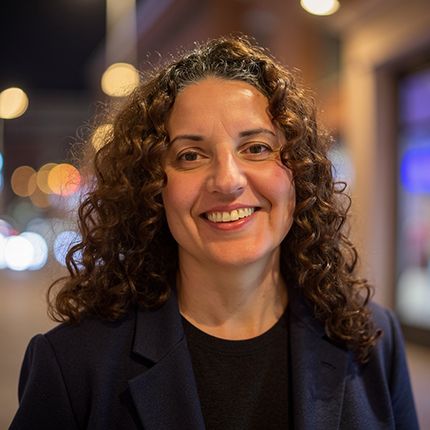
Ana Radis, occupational therapist and co-founder of OT Life, smiling
Who leads this work

Ana Radis

Occupational therapist and co-founder

Ana served as Coordinator of the Vision Education Service at the Royal Institute for Deaf and Blind Children (now NextSense), where she managed the program and provided clinical supervision to other occupational therapists. Few OTs in Sydney bring that depth of experience with children and adults who are blind, have low vision or are Deaf or hard of hearing.

“My approach is centred on creating tailored solutions that enhance accessibility and foster development.”

More about Ana
Good to know

Before you get in touch

Specialist background

Ana coordinated services at RIDBC (now NextSense), Australia’s largest provider for children who are Deaf, hard of hearing, blind or have low vision.

Interpreters welcome

Tell us how you prefer to communicate when you enquire. We book Auslan interpreters for sessions where they are wanted and allow the time they need.

Part of the team

We work alongside audiologists, speech pathologists, teachers of the Deaf and cochlear implant programs, so advice is consistent across home, school and clinic.

Where sessions happen

We come to you

  • At home

    Where routines actually happen: mornings, meals, play, homework and bedtime. Most families start here.

  • Preschool and school

    Alongside educators, so the strategies that work in a session work in the classroom and the playground too.

  • In the community

    Shops, parks, the bus, a workplace or a group home: wherever the goal is, that is where we practise it.

  • By telehealth

    Secure video sessions for families and adults anywhere in NSW, and for check-ins between visits.

Questions

Deaf and hard of hearing: questions people ask

Why would a Deaf or hard-of-hearing child see an occupational therapist?
Because hearing loss often comes with other things: sensory processing differences, difficulties with balance and coordination (the inner ear governs both), attention and regulation challenges, or additional disability. OT works on the practical skills these affect: play, self-care, handwriting, classroom participation and independence.
Do you sign?
We work with Auslan interpreters for sessions where Auslan is the person’s language, and use visual supports, clear sightlines and written or pictured instructions throughout. Tell us your preferred communication when you enquire and we will arrange it.
Do you support people who are deafblind?
Yes. Dual sensory loss needs a careful, routine-based, tactile approach to daily living, communication supports and the environment, and it is an area Ana has worked in for many years.
Can you help with school?
Yes. With your permission we visit the classroom, work with the teacher and any itinerant support teacher, and set up seating, lighting, materials and strategies so that your child can see, follow and take part. We write the reports schools need for adjustments.
Is this covered by the NDIS?
Hearing loss is a common basis for NDIS access, and occupational therapy, assistive technology and home modifications are funded under Capacity Building and Capital supports. We provide services to self- and plan-managed participants and can help you understand what to ask for.
Also
All 6 services
No waiting list

Talk to us about deaf and hard of hearing

Tell us a little about who the support is for and what is hard right now. Marina or Ana will be in touch, usually within a couple of business days, and there is no waiting list.