

Adults
25 years and over
Practical support to manage daily life with a physical, cognitive, sensory or psychosocial disability: assessments, equipment, home modifications and skills.
The goal of assistive technology is to make life easier. The right wheelchair, seating, shower chair, communication device, screen reader or kitchen aid can be the difference between needing help and doing it yourself. Marina has spent her career prescribing complex equipment and designing home modifications for children and adults with physical, intellectual and sensory disability, and writing the assessments that get them funded.
We start with the person and the task, not the catalogue. What are you trying to do, where, and with whom? We assess physical, cognitive and sensory abilities, trial options in the real environment, and recommend the solution that will actually be used. Then we handle the NDIS report and supplier quotes, check the equipment when it arrives, and train everyone who needs to use it.
For home modifications we assess the home with you, specify the changes a builder or supplier needs, coordinate with them, and sign off the finished work. Minor modifications are usually quick; complex ones are planned with the NDIS home modification process in mind from day one.
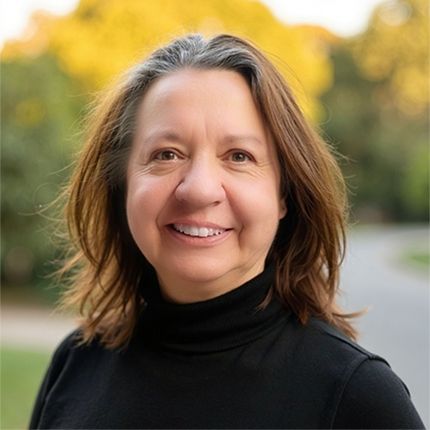
Occupational therapist and co-founder
Marina is deeply passionate about supporting people with complex physical and intellectual disabilities, with a strong focus on the role of assistive technology in maximising independence, participation and quality of life. Her practice is holistic: she looks at how physical function, communication and daily living needs fit together, and finds the equipment, modifications and strategies that make the biggest difference.
More about Marina“My aim is to enhance the independence and participation of all my clients, regardless of the nature of their challenges.”
We do not sell equipment. Recommendations are based on what suits the person, trialled before it is prescribed, and sourced from the supplier that offers the best fit and service.
Assistive technology and home modification requests fail on weak evidence. Ours set out the need, the options considered, the trial and the outcome in the form the NDIA expects.
From a first supportive seat for a toddler to complex powered mobility for an adult with a neurological condition, and the growth, change and review in between.
Where routines actually happen: mornings, meals, play, homework and bedtime. Most families start here.
Alongside educators, so the strategies that work in a session work in the classroom and the playground too.
Shops, parks, the bus, a workplace or a group home: wherever the goal is, that is where we practise it.
Secure video sessions for families and adults anywhere in NSW, and for check-ins between visits.
Tell us a little about who the support is for and what is hard right now. Marina or Ana will be in touch, usually within a couple of business days, and there is no waiting list.